How to Choose the Right ATV Ride in Dubai
Choosing the right quad ride is less about chasing the biggest engine and more about matching the bike, route and support to your experience. Dubai offers open desert, marked tracks and guided routes, and each calls for a slightly different approach. A sensible choice makes the ride feel controlled from the first minute, not just exciting for a few seconds.
Start with the rider, not the bike
Be honest about who will be riding. A first timer, a confident weekend rider and someone used to off road machines all need different setups. If the group has mixed experience, plan around the least experienced rider rather than the most eager one. That keeps the pace comfortable and reduces the chance of someone feeling out of depth.
Age, height and body confidence matter too. A rider should be able to reach the controls, sit with both feet planted and feel balanced when the quad tilts slightly. If a machine feels too large at a standstill, it will feel worse on sand. Ask what rider sizes the vehicle suits, and avoid squeezing someone onto a bike that was built for a bigger frame.
Decide what kind of ride you want
Before comparing machines, settle on the experience. Some riders want a calm introduction with short stops and clear instructions. Others want a longer route with rolling dunes and a stronger sense of speed. The best option is the one that fits the whole group, not the one that looks most dramatic in photos.
For a relaxed outing, a guided tour is often the easier choice. The route is planned, the pace is managed and the group stays together. For riders who already understand throttle control, turning and braking on loose ground, a more open format can feel appealing. Still, local rules and terrain conditions shape what is possible, so do not assume that a powerful bike automatically means more freedom.

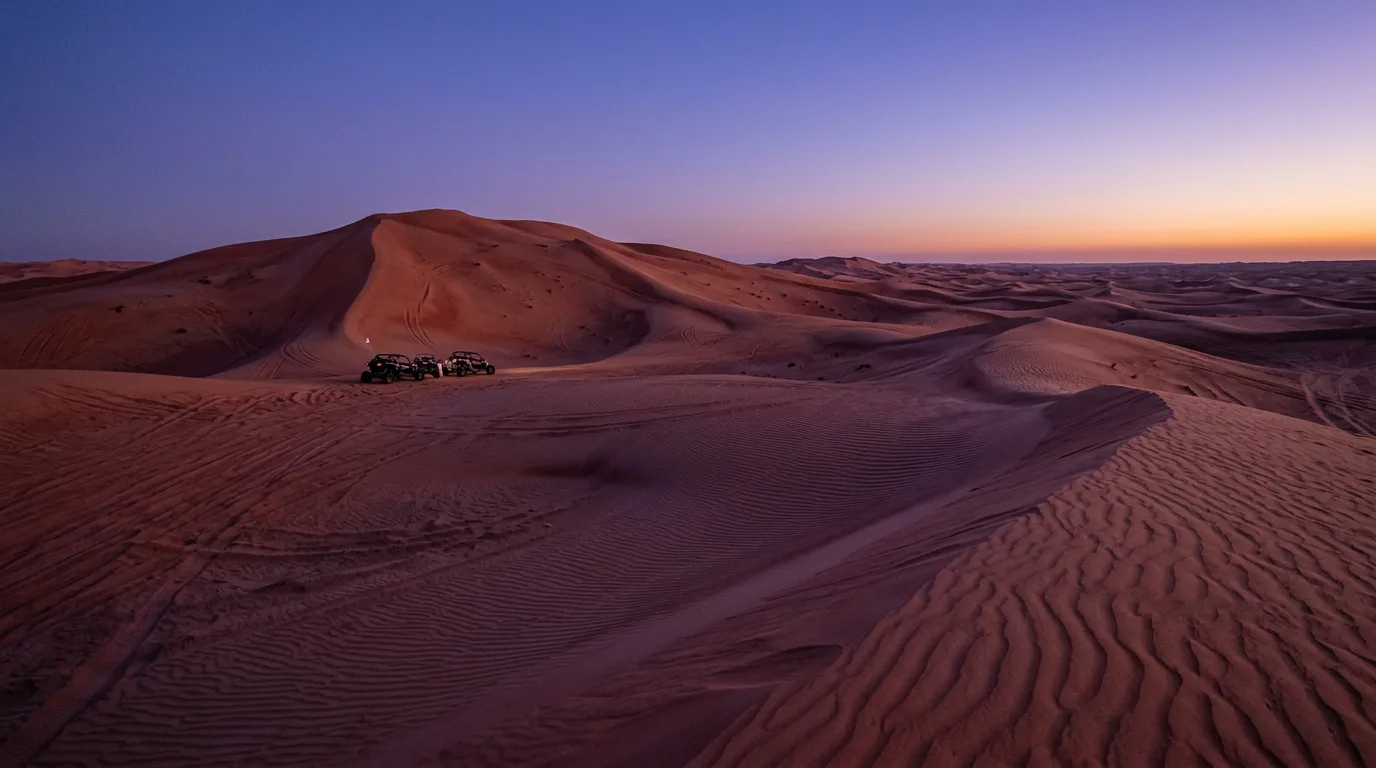
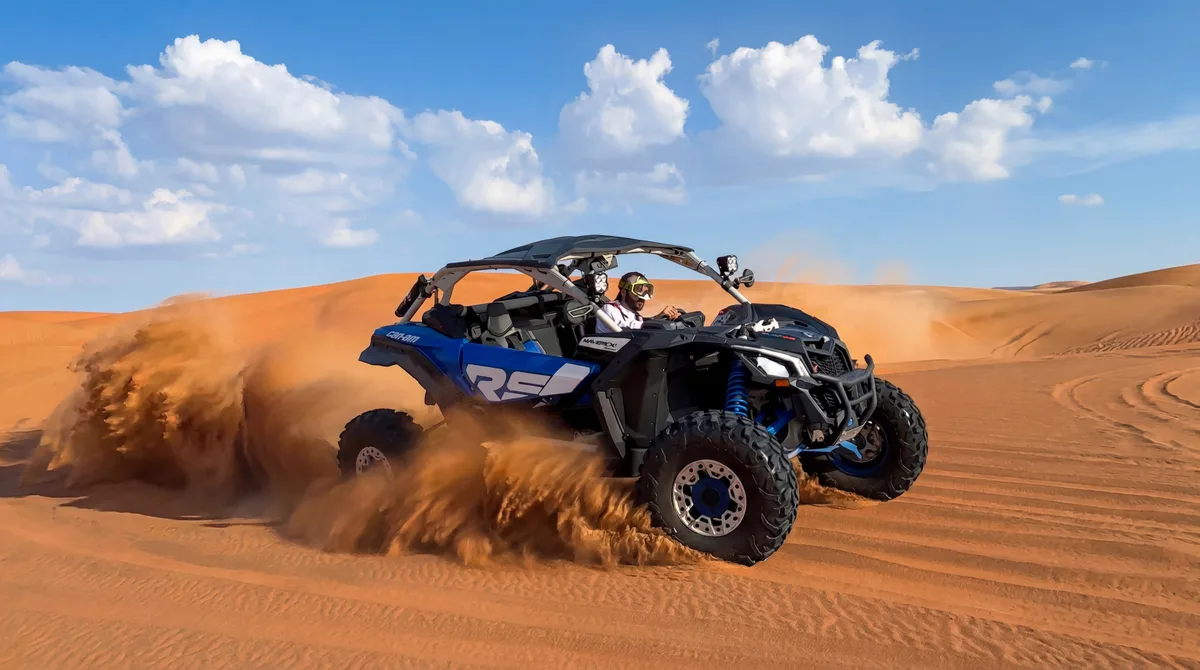
Desert terrain changes the ride. Soft sand asks for patience and smooth inputs. Hard-packed tracks allow more confidence, but ruts and sudden dips still need attention. A route that includes dune bashing is a different proposition from a gentle loop near flat ground, and the machine, tyres and guidance should reflect that.
Compare quad bike types by use
Quad bike types are usually grouped by engine size, purpose and riding position. Utility machines tend to be steadier and more forgiving, while sportier quads feel quicker and more responsive. For many newcomers, a smaller, well maintained bike is far more enjoyable than a high powered one that demands constant correction.
Automatic transmission is common in rental and tour settings because it reduces the amount of work for the rider. That does not remove the need for control. Throttle discipline, body position and braking still matter. A rider who panics and twists the throttle hard can lose control even on a modest bike, while a calm rider on a suitable quad can handle uneven ground with far less stress.
Two up riding is another point to check carefully. Some quads are designed for one rider only, while others can carry a passenger. Never treat an extra seat as permission to carry someone if the machine, tyres and braking system are not set up for it. Passengers also need clear instructions, because leaning and shifting weight can affect balance.
Check safety gear and fit before committing
A good helmet is the first thing to look for. It should sit level, feel snug without painful pressure and stay in place when the head moves. A damaged helmet, a loose strap or a visor that blocks vision is a warning sign. Protective gear also matters, especially gloves, eye protection and clothing that covers legs and arms. Sand, wind and branches can all cause discomfort when speed picks up.
Ask how gear is cleaned and whether sizes are available for the whole group. A rider with poor visibility or a helmet that slips will spend the ride adjusting equipment instead of watching the route. If anything feels unstable or uncomfortable before departure, say so early. It is much easier to change a helmet or bike at the start than halfway through a route.
Short sleeves, loose scarves and open footwear are poor choices for an ATV outing. Closed shoes, durable trousers and secure eye protection make a practical difference. Sun protection is also useful, but it should not flap loose or interfere with the helmet. Think of clothing as part of control, not just comfort.
Look closely at maintenance and basic condition
You do not need mechanical training to notice obvious neglect. Look at the tyres, body panels, seat, handlebars and controls. Tyres should look properly fitted and free from severe cuts or obvious wear. Handlebars should feel firm, not loose. The seat should be secure. Brake levers should not feel strange when pressed gently while the bike is stationary.
Sound can tell you something too. A machine that struggles to idle, makes grinding noises or smells strongly of fuel before the ride deserves a question. Serious mechanical issues are not something to diagnose or fix on the spot. If a bike seems unsafe, the right decision is to avoid it and ask for a suitable alternative from a qualified professional.
Cleanliness is not the same as safety, but it offers a clue. A quad that is cared for between rides is more likely to have its basic checks handled properly. A dusty exterior after desert use is normal. Broken plastic, exposed wiring, leaking fluid or missing fittings are not normal, and they should not be ignored.
Understand the route and the pace
A route should match the riders, the time of day and the terrain. Ask how long the ride lasts, what ground it covers and whether there are stops. A short route with steady guidance may suit a family better than a long run with fast sections. Riders looking for a stronger challenge should still check whether the pace allows safe control on sand.
Find out how the group is managed. Clear hand signals, a lead rider and a tail rider can make a big difference on a route where dust or dunes limit visibility. Riders should know what to do if they stop, fall behind or need help. A plan that sounds casual may be fine for experienced riders, but newcomers benefit from clear expectations.
When comparing options for quad biking dubai, pay attention to how the route is described. Broad promises about speed mean less than details about terrain, guidance and rider suitability. A ride that includes dunes, turns and uneven ground needs more care than a flat track, even if the bike looks similar.
Ask the right questions before booking
Good questions save disappointment. Ask whether the quoted ride includes a briefing, what equipment is provided and whether the route changes with conditions. Check whether there are rules about speed, overtaking or riding alone. A responsible operator will be clear about limits and will not treat safety advice as an inconvenience.
It is also worth asking what happens if a rider is unsure during the session. Can the pace slow down? Can a less confident rider switch to a shorter route? Are staff able to explain controls in plain language? The answers reveal whether the experience is built around good judgement or simply around getting riders out quickly.
Do not let a flashy machine decide the matter. A well matched quad, a clear route and proper supervision create a better ride than raw power. This is especially true for riders new to soft sand, where smooth steering and steady throttle use matter more than acceleration.
Match the final choice to the day
Conditions can shape the decision. Heat, wind, dust and soft sand all affect comfort and control. A ride that feels manageable in cooler hours can feel more demanding when the ground is hot and loose. Choose a time that gives the group room to focus, and avoid rushing the selection process.
On the day, watch how the rider feels once seated. If the quad feels oversized, the helmet is awkward or the controls are unclear, pause and sort it out before moving. A good choice should feel steady, understandable and suited to the route ahead. Confidence built at the start carries through the ride, while small discomforts tend to grow once the terrain changes.
The right decision comes from matching four things: rider ability, machine size, route conditions and safety support. When those line up, the ride feels natural. When one is ignored, even an impressive quad can become tiring or stressful. Take the time to compare those details, then choose the option that lets everyone ride with control and enjoy the desert without unnecessary risk.